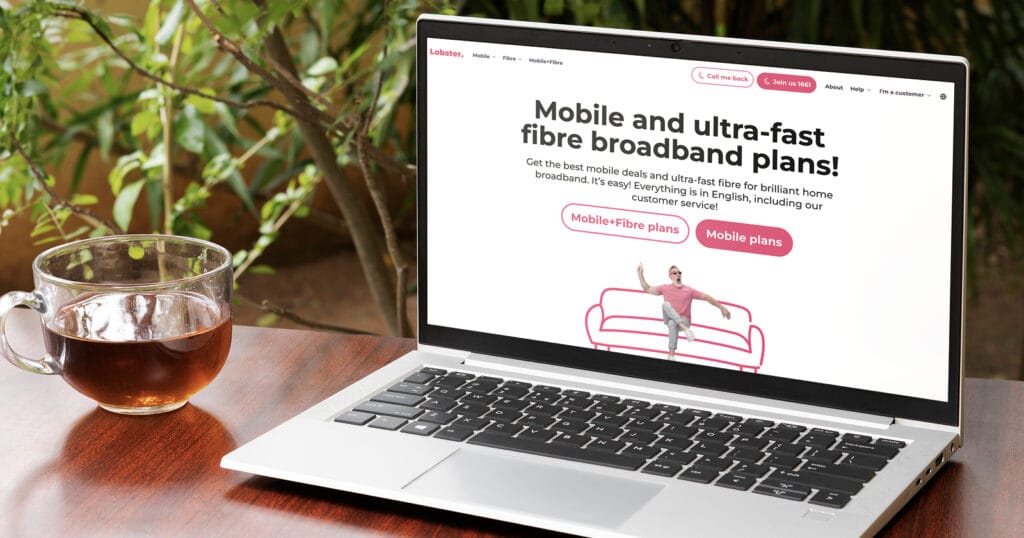
Three months into my Spanish adventure, I found myself at a crossroads. My temporary tourist SIM was about to expire, and I needed a proper plan. Standing in a Málaga phone shop, staring at glossy contract brochures promising “the latest Samsung for only €2 a month,” I felt the gravitational pull of a deal too good to be true. Spoiler: it was. I’m Graham, a former mobile tech editor who’s navigated the UK’s telecom maze for years, and let me tell you, Spain’s mobile landscape is a different beast entirely. I’ve already told you how mobile services work in Spain; now, here’s how I learned to choose between pay-as-you-go (prepago) and contract (contrato) plans without losing my sanity or my savings.
The contract that nearly trapped me
Picture this: I’m holding a glossy handset, the salesperson is speaking rapid Spanish, and I’m nodding along like I understand every word. I caught “veinticuatro meses” (24 months) and “cuarenta euros” (€40), which seemed reasonable. What I missed was the avalanche of requirements: NIE number, Spanish bank account with direct debit, proof of address, and a commitment that would outlast most of my relationships.
Two hours and zero SIM cards later, I shuffled out, defeated. That evening, nursing a caña at my local bar, I googled “prepago vs contrato Spain” and discovered I’d been approaching this all wrong.
Prepago vs contrato (PAYG vs Contract in Spain in plain English)
Pay-as-you-go (Prepago): You pay upfront for what you use. SIM only. No contracts, no commitments, no paperwork nightmares. Use it when you need it, pause when you don’t. Think of it as the Airbnb of phone plans—flexible, commitment-free, and you’re in control.
Contract (Contrato): Monthly direct debit, typically 12-24 months, often bundled with a shiny new handset. It’s the mortgage of mobile plans—stable, predictable, but you’re locked in whether you like it or not.
The honest comparison (from someone who’s tried both)
| What Matters | Pay-as-you-Go (Prepago) | Contract (Contrato) |
|---|---|---|
| Commitment | None—cancel anytime without penalty | 12-24 months; early exit fees can be brutal (€200+) |
| Paperwork | Just your passport | NIE, Spanish bank account, proof of address, possibly your soul |
| Monthly Cost | €12-25 typically | €20-60+ (plus hidden fees) |
| Phone Included? | No—bring your own device | Often bundled (but you’re paying it off monthly) |
| Customer Support | Lobster offers full English support | Typically Spanish-only (good luck with that) |
| Billing | Credit or debit card, full control | Automatic direct debit (surprises happen) |
| Flexibility | Pause for holidays, adjust as needed | Stuck for the duration; goodbye flexibility |
That table would’ve saved me so much confusion three months ago.
Why pay-as-you-go saved my expat life
After my contract debacle, I tried Lobster’s pay-as-you-go plan, and it felt like someone had finally designed a mobile service for actual humans. Here’s what changed:
No more paperwork anxiety: I didn’t have an NIE yet (the Spanish bureaucracy moves slower than a siesta). With prepago, my passport was enough. Done.
Budget control: Living in a new country means unpredictable expenses. With pay-as-you-go, I knew exactly what I was spending. No surprise bills from “exceeding my data cap” or mysterious roaming charges.
Freedom to explore: I spent a month back in the UK visiting family. With a contract, I’d have paid €40 for a service I wasn’t using. With Lobster, I simply paused it until I returned. That €40 bought a lot of Rioja.
English-language everything: The Lobster app, customer service, even the error messages, all in English. After months of Google Translating Spanish fine print, this felt like a warm hug.
Those four reasons are only the start, though. If you want the full picture, I’ve written a whole post on why a pay-as-you-go SIM works so well for expats in Spain, including who it suits best and what to watch out for.
When contracts actually make sense (rare, but it happens)
I’m not here to pretend contracts are pure evil. For some expats, they’re the right choice:
- You’re settled long-term: Bought property, got your residency sorted, planning to stay 5+ years? A contract’s stability might suit you.
- You want the latest phone: If you’re desperate for the new iPhone and don’t have €1,000 upfront, spreading the cost via a contract makes financial sense.
But here’s what I learned the hard way: even if these boxes tick, wait until you’ve got your NIE and Spanish bank account sorted. Trying to set up a contract mid-arrival is a recipe for stress, delays, and disappointing phone shop visits.
The hidden costs nobody mentions
Contract traps:
- Early termination fees that’ll make you weep (think €200-300)
- “Free” handsets that add €20-30 monthly for two years (not so free)
- Data overages that spike your bill when you exceed your cap
- Spanish-only customer service that turns simple questions into translation marathons
Pay-as-you-go pitfalls:
- No subsidised handset means buying one outright (but at least you own it)
How to choose PAYG plan: My decision framework
After testing both routes, here’s the framework I wish I’d had on day one:
Go pay-as-you-go if you:
- Are staying less than 12 months, or travel back and forwards between Spain and UK
- Don’t have NIE/Spanish bank account yet
- Value flexibility over saving a little each month
- Prefer English-language support
- Want to avoid bureaucratic headaches
- Travel frequently between Spain and home
Consider a contract if you:
- Have NIE, Spanish bank, proof of address ready
- Are settled permanently (bought property, got residency)
- Want a new handset and can commit 24 months
- Are comfortable navigating Spanish customer service
- Can absorb early exit fees if plans change
For 90% of expats I’ve met, pay-as-you-go wins. We’re here for sunshine and adventure, not telecom commitment ceremonies.
Why I chose Lobster (and haven’t looked back)
After three months of telecom trial and error, I landed on Lobster for these reasons:
The English advantage: Everything (app, website, customer chat, even the T&Cs) is in English.
Transparent pricing: Lobster’s plans start at €12.99/month with unlimited calls to Spain, UK, Germany, France, and loads of other countries. No hidden fees, no surprise charges, no asterisks leading to 800-word disclaimers.
Ultimate flexibility: 28-day rolling plans mean I’m never stuck. Going home for a month? Pause your plan. It’s mobile service designed for the expat lifestyle (fluid, adaptable, stress-free.)
Physical SIM or eSIM: Lobster’s pay-as-you-go plans are available with either. If you have a compatible phone, you can choose an eSIM and receive your installation details by email after your identity has been verified.
Built for expats: While Spanish providers cater to locals (naturally), Lobster was designed for people like us, new arrivals who need connectivity without complexity.
My bottom line for new expats
Spain offers incredible weather, affordable living, and a lifestyle that makes you question why you spent decades in the rain. Your phone plan shouldn’t be the complicated part.
Start with pay-as-you-go. Get your bearings, figure out your data needs, sort your NIE if you haven’t already. If after six months you’re settled, and desperate for that contract-subsidised handset, then revisit the decision.
But I’d bet good money you’ll stick with prepago. I certainly have. The flexibility, the English support, and the freedom to pause or cancel without penalty? It’s worth it just for that!
Ready to skip the confusion and get connected the easy way? Check out Lobster’s pay-as-you-go plans and start with the €12.99 option. You’ll be calling home before your first sunset over the Mediterranean.